If you’ve put together an event sponsorship proposal, you probably know the drill. Brands want to know who they’ll be reaching, what they’ll get in return, and what the partnership will actively involve.
A worthwhile kit should answer the questions a brand may have before agreeing to a partnership-
- Who is your audience?
- What results can you deliver?
- What kind of content can you create?
- What does a collaboration look like?
The goal is to make those answers easy to find while giving brands enough evidence to take the next step. Let’s figure out how.
How to build a sponsorship kit that gets brands to say yes
Keep the design simple and professional
If you want to land the sponsorship, you can afford to have an unprofessional or haphazard presentation. If your document is messy, difficult to navigate, or overloaded with redundant text, the employees responsible for gauging the fit, won’t be particularly enthused.
So, keep the visual structure consistent throughout. Remember to use the same fonts, colors, image treatment, and spacing on every page. More importantly, give each section enough space to shine. Add screenshots, campaign examples, or content thumbnails where they add value so your sponsorship kit becomes all the more impactful.
If you sell products yourself or create content around ecommerce, use your kit to show how you think about online selling. For example, if you’re discussing Shopify print-on-demand services, you could reference platforms such as Printful and Printify for immediate familiarity and priming the brand team.
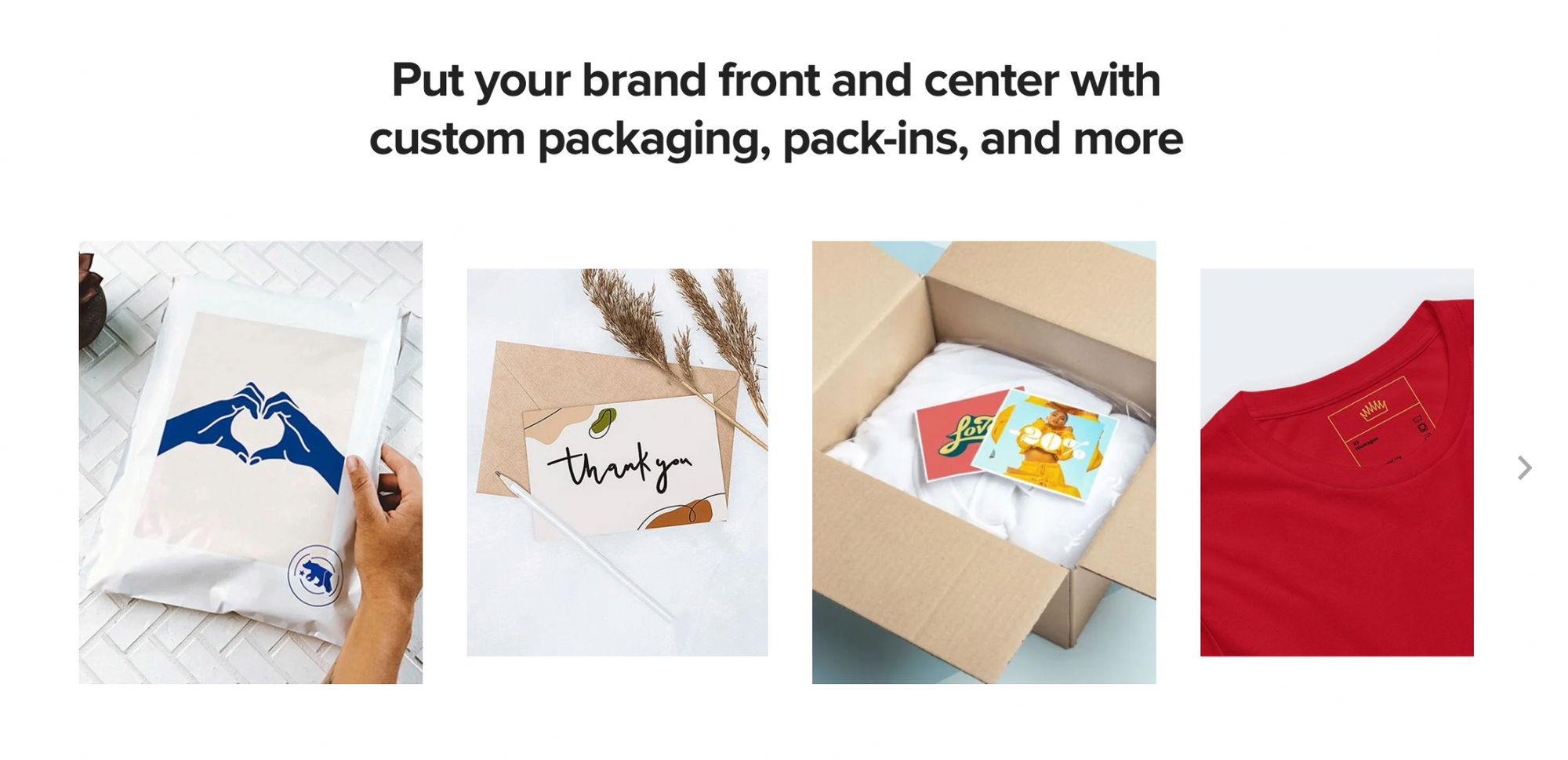
To add to it, their own resources can also explain how the model works without making it feel like an advertisement.
Here are a few points to note-
- Keep the file easy to access and share
- A PDF with clear section headings, clickable links, and a simple contact page should suffice
- You can also create your sponsorship kit on Canva and share a ‘view only’ link
- Before sending it, open the final file on your desktop and mobile to check that images, links, and text display correctly
Remember, your kit should make the next step obvious. End with a clear way for brands to contact you and discuss a potential collaboration.
Show who you are and who you reach
Although brands are now more open to investing in creator partnerships with 71% of organizations increased their creator marketing budgets in 2025. That’s why your follower count can’t be your biggest selling point. You’ll need to assess brand fit and trust over your audience size because that’s why marketers will evaluate.
In line with this, your sponsorship kit should simplify everything about you so a brand can understand who you’ll reach. Start with a short bio covering your niche, content style, location, and the topics you typically cover. Then add audience demographics such as age, gender, top locations, interests, and platform breakdown.
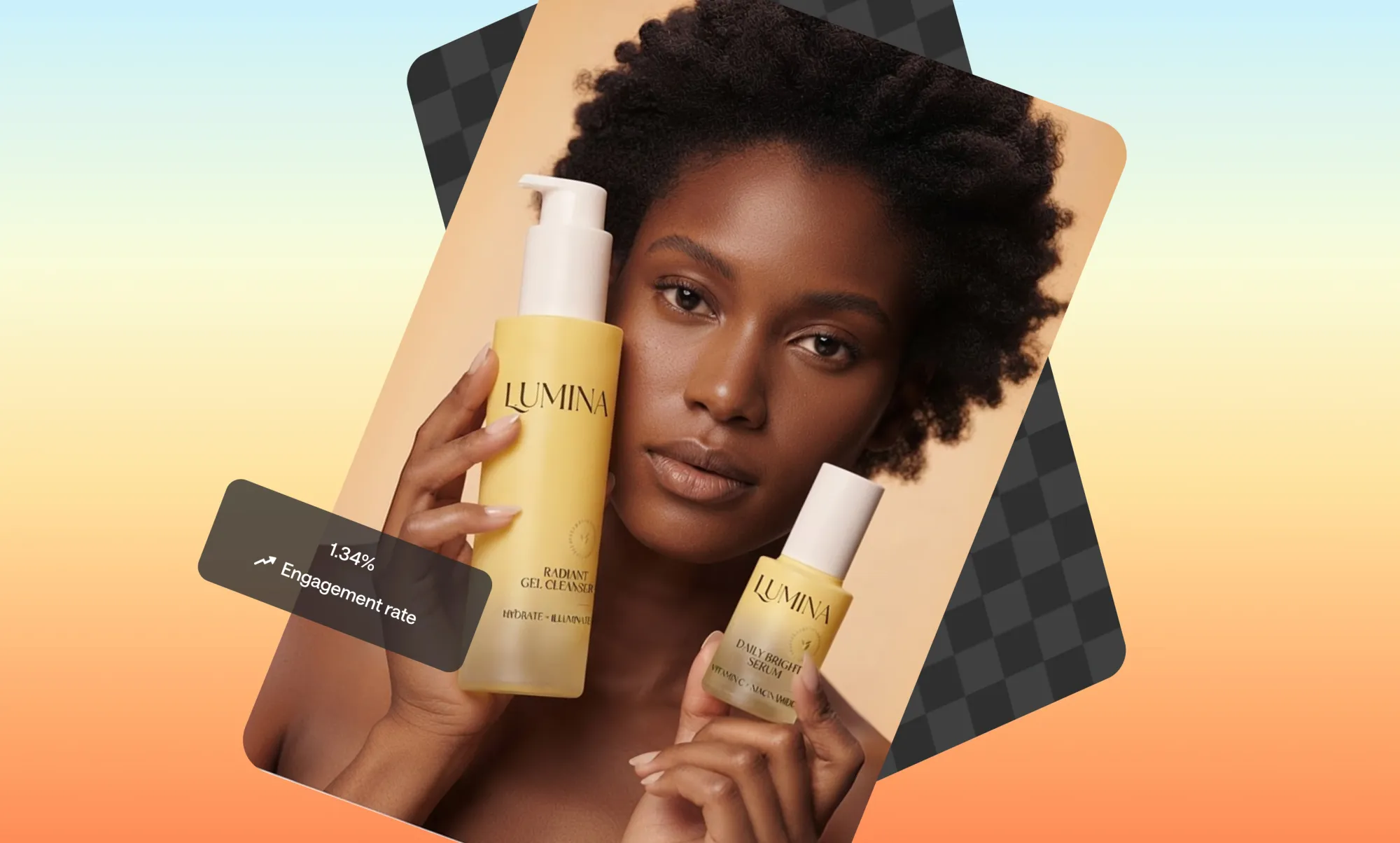
Be specific with the numbers. Don’t you have a “highly engaged audience” because that’s conveys practically nothing. Show your average engagement rate, reach, views, or story responses instead. If most of your audience is U.S.-based, include that percentage. Next, you can share the strongest states or cities so they have even more specific information. You can either attach screenshots (like below) from your native dashboard or on platforms like Modash, Phlanx, or Social Blade.
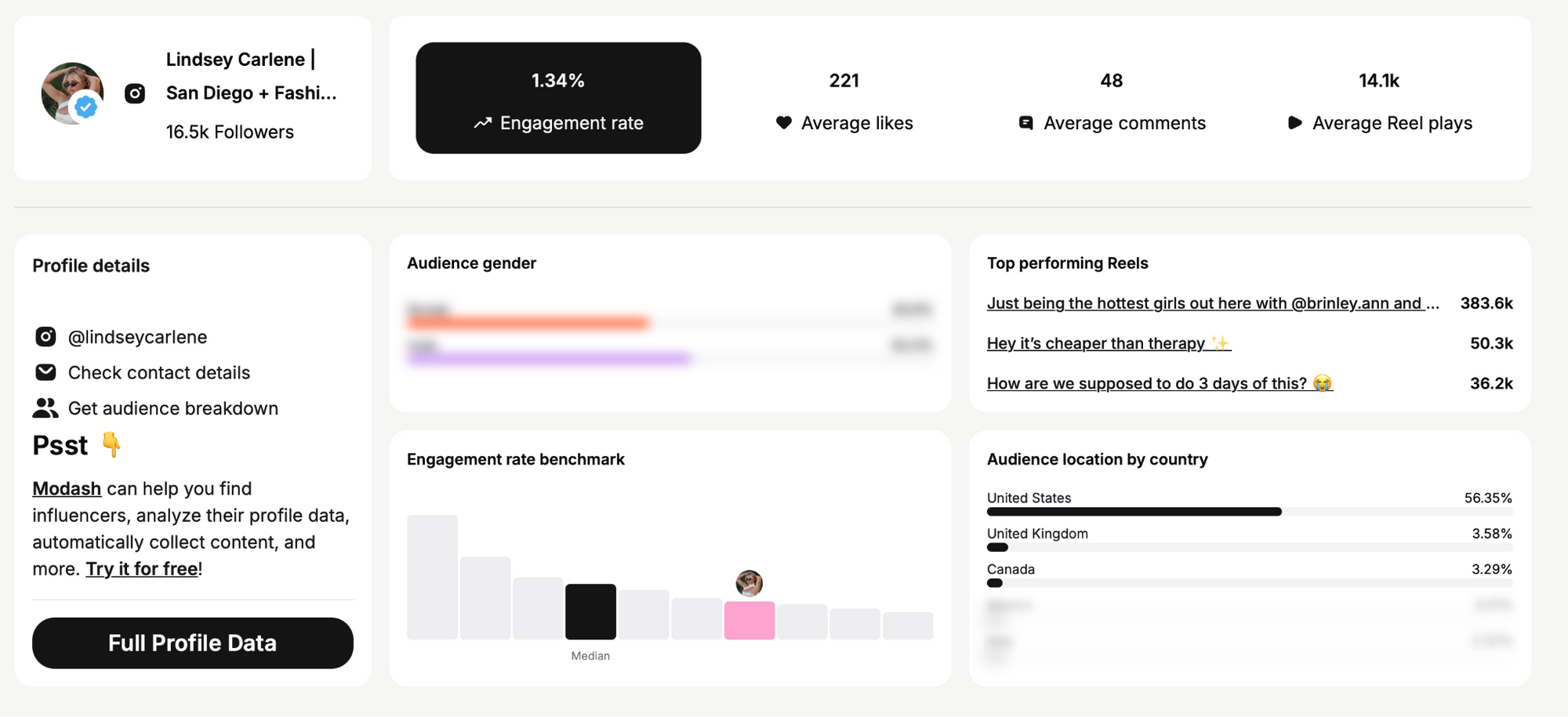
If you have a particularly strong audience segment, call it out rather than burying it among other statistics. A beauty creator could mention that most followers are women aged 25-34, while a business creator might show that a significant share of their audience consists of founders or marketing professionals.
Similarly, a creator covering the construction or trades industry could highlight an audience of contractors and business owners, particularly when their content discusses industry-specific tools such as Glazier Software for glass businesses.
Here, the focus should be to give brands enough information that can help them decide whether your audience fits their campaign.
Focus on results, not follower count
Let’s be clear- a large audience does not automatically land you a successful sponsorship. Brands who’ve done this before want to know what happens when you publish sponsored content. So, use data from previous campaigns whenever possible. It’ll surely help you seal the deal.
Start with your strongest performance metrics and make them easy to scan with-
- Average views and reach per post
- Engagement
- Clicks
- Conversions
Already partnered with other brands before? Include 2-3 skimmable case studies rather than simply listing their logos. Show the campaign objective, what you created, and what happened afterward. Even a simple format such as “3 Instagram Reels, 420K total views, 8.2% engagement” gives a brand more useful information than your follower count.
A campaign by MATCHES used 12 creators from LTK to reach affluent women aged 25-34. The campaign generated 1.3 million social engagements, increased sales by 50% year over year, and delivered a 4x return on ad spend.
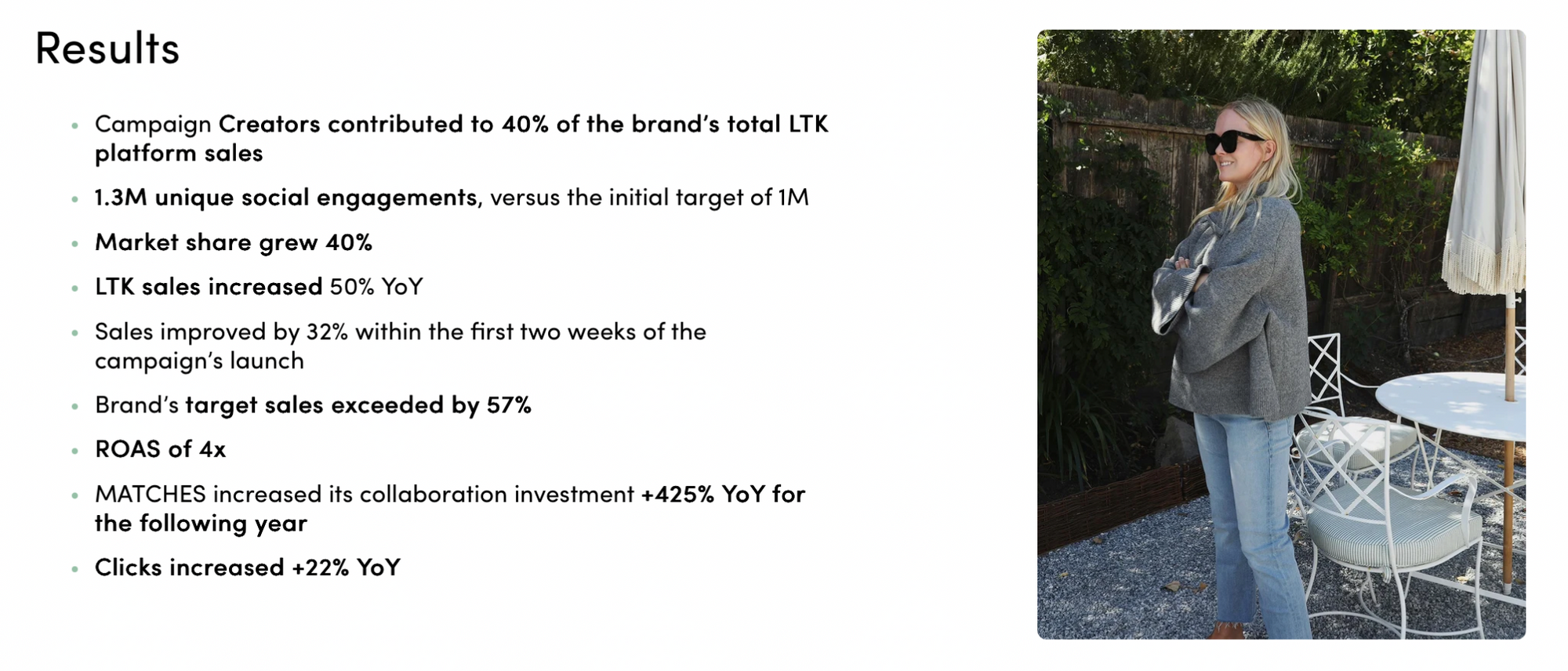
Of course, you don’t need results at that scale to make your kit credible. If you’re a smaller creator, you can show strong engagement, clicks, sales, or repeat partnerships. If you haven’t worked with brands yet, use organic content performance to show what your audience responds to.
The point is to replace broad claims with evidence so a brand can picture what a partnership with you could achieve.
Make partnership opportunities clear
Once a brand understands your audience and past performance, they need to know what a collaboration with you can actually look like. Your sponsorship kit should make those options easy to understand without turning the document into a rigid rate card.
Start by outlining the formats you offer, such as-
- Sponsored Reels or TikToks
- Instagram Stories or static posts
- Product integrations or long-term partnerships
Remember to briefly explain what the brand gets with each format you mention. A sponsored Reel might include one concept, filming, editing, and posting to your account. A Story package could include several frames with product links and a call to action.
Some creators are comfortable sharing their starting prices; some aren’t. You can decide what works better for you. Also, there are creators prefer to provide custom quotes based on the campaign scope, usage rights, exclusivity, and number of deliverables.
It’s also worth mentioning packages for brands looking for more than a single post.
For example, you could offer a monthly package to the brand. In that, you can share all the deliverables they’ll get, like 2 Reels, a set of Stories, usage rights, etc. If you give each brand a custom quote, it’ll help you track your own responsibilities. Plus, it gives said brand a transparent understanding of how they can work with you outside of a one-off sponsored post.
Keep the options specific enough that a brand can quickly see which format fits its campaign.
Personalize every sponsorship pitch
You can reuse your sponsorship kit, but not your pitch to different brands. They want a clear reason you’re reaching out to them specifically.
In fact, 56% of brands say audience alignment is a top criterion when selecting creators, according to IAB’s 2025 Creator Economy report.
Before contacting a brand, look at-
- Its target customer and current campaigns
- The products or messages it is promoting
Then connect those details to your audience and content. Mention any content you’ve created around a similar product or topic. If you have an idea for how you’d feature the brand, give a brief example rather than sending a generic “I’d love to collaborate” message.
It may take a little more work, but it gives the recipient a reason to consider your pitch instead of treating it like another sponsorship request.
Conclusion
A sponsorship kit has one job- to help a brand decide whether you’re a good fit for their campaign. The best kits make that decision easier by combining audience information, proof of past results, clear partnership options, and a brand-tailored pitch.
Before sending yours, remember to do these 3 things-
- Replace vague claims with current audience and performance data
- Turn your best-performing campaigns or posts into concise proof points
- Change the introduction and partnership idea for every brand you contact
Your kit doesn’t need to be elaborate. It needs to give the right brand enough information to say yes.