You already know video works. The hard part is knowing what to film this week and next week, without running out of real estate video ideas or spending every evening editing.
This guide gives you 15 proven formats you can actually make. For each one, you get what it is, when it works, and how to make it quickly. You'll also see how to turn a single property shoot into a week of real estate Reels, TikToks, and posts.
What kinds of real estate videos should agents make?
The strongest real estate video mix covers five content types: property and listing videos, educational videos, local and neighborhood videos, personality videos, and trust videos built on client stories. Listings drive inquiries, while the other four build the familiarity that makes people call you first.
Most agents lean too hard on listings. A feed made only of homes for sale gives people no reason to follow you between moves. Mixing in the other types is what turns a listing feed into a brand.
15 real estate video ideas agents can use right now
Each of these realtor video ideas is built to be repeatable. Make one, and you can reuse the structure for every listing, month, or neighborhood you cover.
1. Property walkthrough
What it is: A guided tour through the strongest spaces in a logical order, usually entry, living areas, kitchen, primary suite, and outdoor space.
Why it works: Buyers want to understand how a home flows before booking a showing. A walkthrough answers "how does this place feel?" in a way photos can't, and doubles as your main asset for YouTube, your website, and the listing page.
How to make it: Plan your route before recording, shoot steady horizontal footage for the long version, and grab vertical clips of the same rooms while you're there. For the full filming process, see our guide on how to make a real estate listing video.
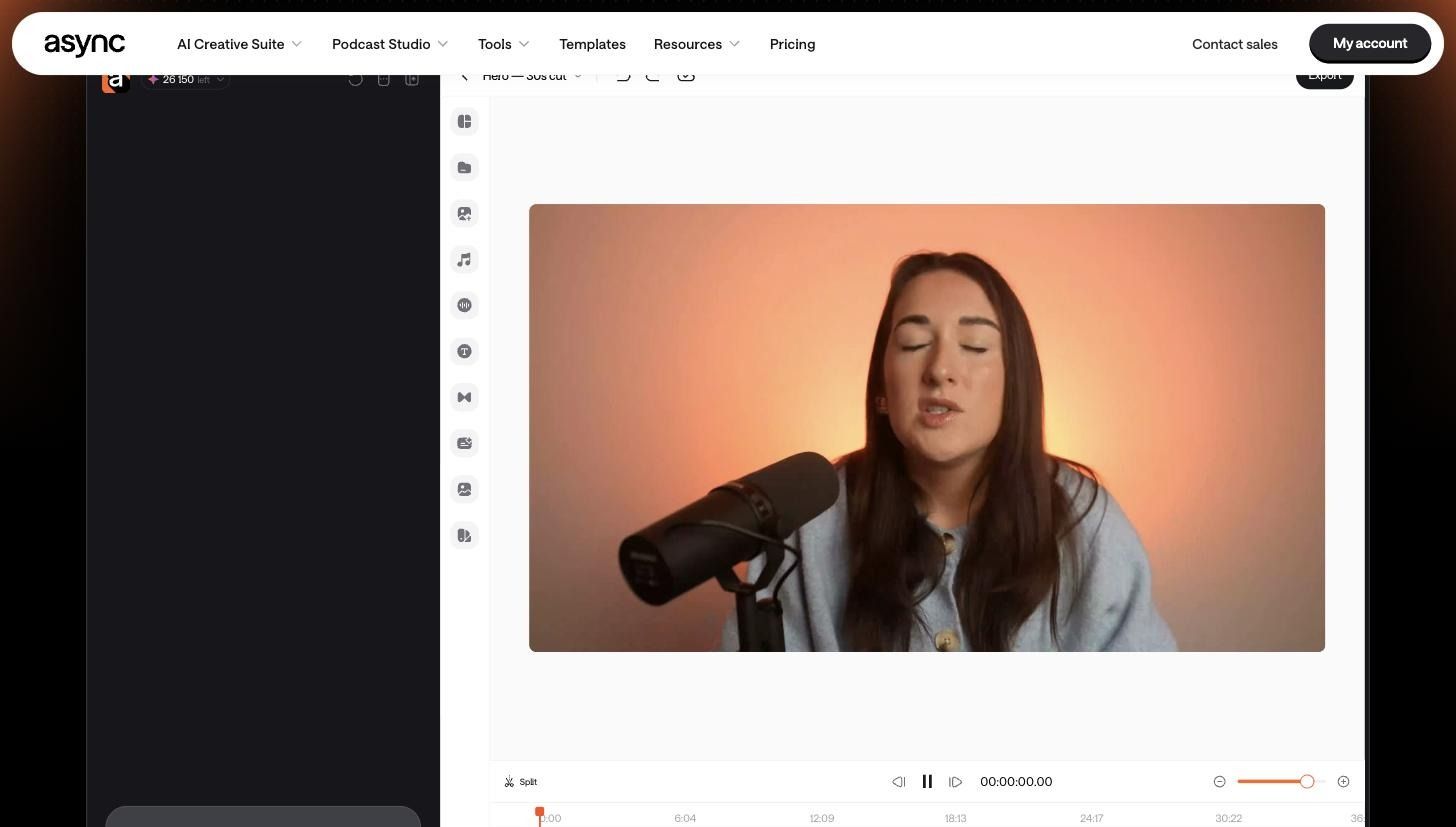
With a chat-based editor like Async, you can type "cut this to a 60-second walkthrough, remove shaky sections, and add light music" instead of scrubbing through the timeline yourself.
2. New listing reveal
What it is: A 15 to 30-second, high-energy introduction to a property that just hit the market.
Why it works: A reveal creates urgency and tells your audience you have fresh inventory. It's one of the best real estate social media ideas for pure awareness.
How to make it: Open with your single best shot in the first second. Use fast cuts timed to music, on-screen text for beds, baths, and neighborhood, and end with a clear call to action like "DM me for a showing."
3. "3 things you'll love about this home"
What it is: A short, benefit-led video that highlights three specific selling points.
Why it works: Numbered lists set clear expectations, so viewers tend to stay until number three. The format also forces you to get specific.
How to make it: Skip "beautiful kitchen." Say "a walk-in pantry with room for a second fridge" or "a primary bedroom that gets morning sun." Film each feature as a separate clip and put the number on screen.
4. Before-and-after property transformation
What it is: A comparison of a space before and after renovation, staging, landscaping, or a simple refresh.
Why it works: Visual contrast is extremely watchable. It also shows sellers what your staging advice can do for their home, which makes it strong listing-appointment content.
How to make it: Shoot the "before" from a fixed spot and mark where you stood. Return to the same angle for the "after," then use a quick swipe or beat-synced cut between them.
5. Neighborhood guide
What it is: A tour of the area around a listing or a neighborhood you specialize in: cafés, parks, commute options, streets, local landmarks, and schools where appropriate.
Why it works: People buy the neighborhood as much as the house. These guides position you as the local expert and keep working long after a listing sells, especially on YouTube, where people search "living in [neighborhood]."
How to make it: Film short clips at five to eight spots and narrate what makes each one useful. Keep claims factual and current by checking hours, commute times, and school boundaries, and describe places and amenities rather than the people who live there to stay within fair housing guidelines. If you use photos you didn’t take yourself, an AI image detector can help you check whether they’re AI-generated.
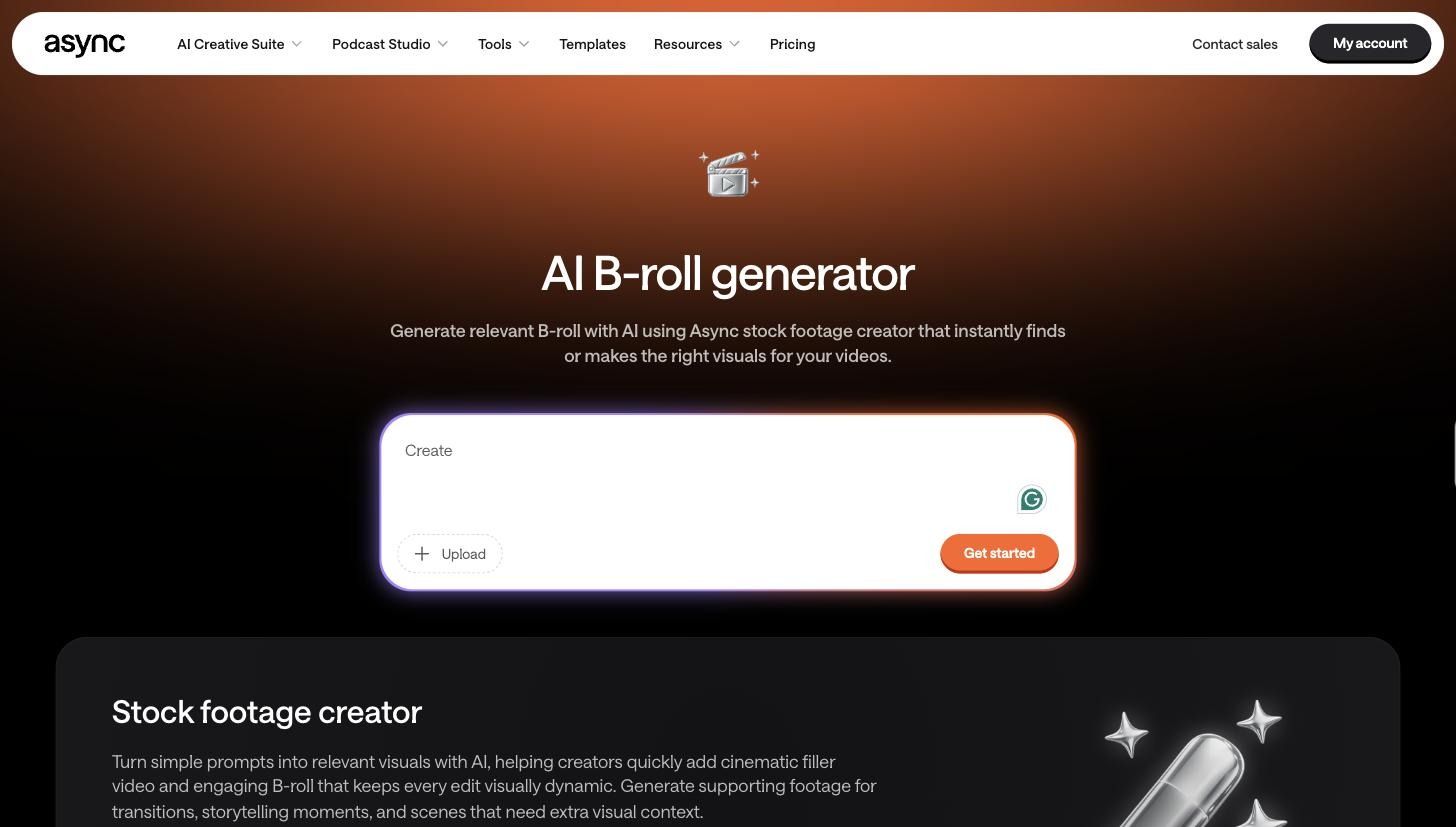
Missing a transition or establishing shot? An AI B-roll generator can fill small gaps. Use AI visuals for mood and transitions only, never to represent a real property or location.
6. "What $X buys you in [area]."
What it is: A comparison of what one budget gets you across two or three neighborhoods or property types.
Why it works: Price is the question every buyer has. This format answers it visually and reaches buyers early in their search, before they've chosen an agent.
How to make it: Pick one price point and two or three listings you're allowed to feature. Show a few clips of each with specs on screen, then ask viewers to comment their own budget and area. That gives you your next episode.
7. Market update
What it is: A short talking-head video explaining what's happening in your local market this month.
Why it works: Market updates build expertise and give past clients a reason to stay in touch. On a regular schedule, they become a series that people expect.
How to make it: Pick one or two numbers from your MLS or local board data, explain what they mean for buyers and sellers, and keep it under 90 seconds. Put the key figure on screen.
Talking-head videos live or die on audio. If you record in a car or an echoey vacant home, an enhancer like Magic Dust can remove background noise and even out your voice.
8. Buyer and seller explainers
What it is: Short videos answering the questions clients ask every week. "What is earnest money?" "Should I sell before I buy?"
Why it works: People search for these answers before they talk to an agent, which makes explainers some of the most useful real estate content ideas for TikTok and YouTube.
How to make it: Keep a running list of client questions on your phone. Answer one per video in 30 to 60 seconds, starting with the answer. Myth-busting versions ("No, you don't always need 20% down") hook viewers faster.
9. Client story
What it is: A testimonial-style video where a past buyer or seller shares their experience.
Why it works: Nothing builds trust like someone else vouching for you. Client stories answer the unspoken question behind every inquiry: "Will this agent actually help me?"
How to make it: Record a quick interview at closing or key handover. Ask two or three open questions, like "What were you worried about?" Always get written consent and use their real words, not a script.
10. Just sold story
What it is: A short video celebrating a closed deal, with the story of how it happened.
Why it works: "Just sold" posts are common. A story attached to one is not. Explaining how you handled multiple offers or a tricky inspection shows sellers your process, not just your outcome.
How to make it: Reuse footage from the listing video, add a "SOLD" frame, and narrate the challenge and solution in three or four sentences. Check with your brokerage and clients about which details you can share.
11. Open house invite and recap
What it is: A teaser before the open house, then a recap after it.
Why it works: The invite drives foot traffic. The recap shows current and future sellers how actively you market their homes.
How to make it: Film a 15-second invite at the front door with the date, time, and address on screen. For the recap, capture the setup and general activity, avoiding identifiable visitors unless they've agreed to be filmed.
12. Local business spotlight
What it is: A short feature on a local café, gym, or shop, often with a quick chat with the owner.
Why it works: Local businesses often reshare the video with their audience, helping you reach people who aren't looking at listings yet.
How to make it: Ask the owner three questions. Film the space, their best-selling item, and a quick intro, then tag the business and send them the file.
13. Meet the agent and a day in the life
What it is: Personality content showing who you are and what a typical day looks like between showings, inspections, and negotiations.
Why it works: People hire agents they feel they know. Behind-the-scenes content also shows how much work goes into each deal.
How to make it: Film short clips throughout one day and edit them into a 30 to 60-second montage with voiceover. For "meet the agent," answer three questions to the camera: who you help, where you work, and what makes your approach different.
14. POV home tour
What it is: A first-person tour shot as if the viewer is walking in it, often captioned "POV: you just got the keys."
Why it works: POV is native to TikTok and Reels and feels less like an ad. It's one of the strongest real estate TikTok ideas for stopping the scroll.
How to make it: Hold your phone at chest height and move slowly with stabilization on. Open doors, turn on lights, and step into rooms in one continuous flow. Add trending audio and one line of text.
15. Comment reply videos
What it is: A video that answers a question someone left on one of your posts.
Why it works: It rewards engagement, shows you're responsive, and gives you an endless supply of ideas. TikTok and Instagram both let you reply to comments with a video that shows the original question on screen.
How to make it: Save good questions as they come in. Reply within a day or two with a 20 to 45-second answer and invite follow-up questions.
How to turn one property shoot into multiple videos
One well-planned listing shoot can produce eight or more pieces of content if you film with repurposing in mind. Capture both horizontal and vertical footage, record a short voiceover for each room, and save detail shots you can reuse later.
A single shoot can become:
- Full walkthrough (2 to 4 minutes) for YouTube and the listing page
- New listing reveal (15 to 30 seconds) for Reels and TikTok
- "3 things you'll love" using your three best features
- POV tour from the vertical footage
- Feature micro-clips (5 to 10 seconds) for Stories
- Neighborhood add-on from clips shot on the drive-in
- Open house invite reusing the exterior shot
- Just sold the story once the deal closes
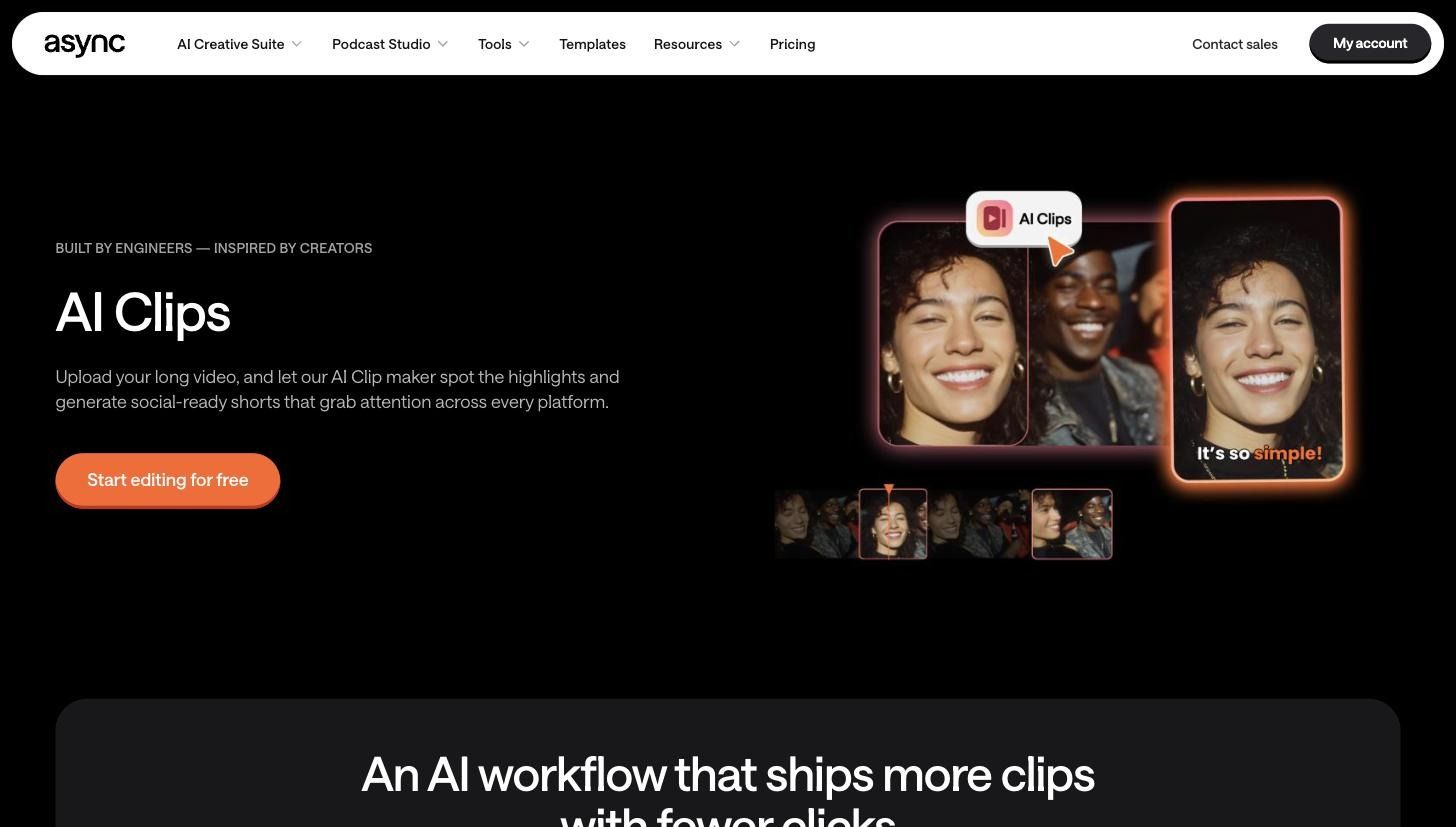
The slow part isn't filming; it's cutting all these versions. Async AI Clips can scan your full walkthrough, find the strongest moments, and turn them into short clips for TikTok, Reels, and YouTube Shorts.
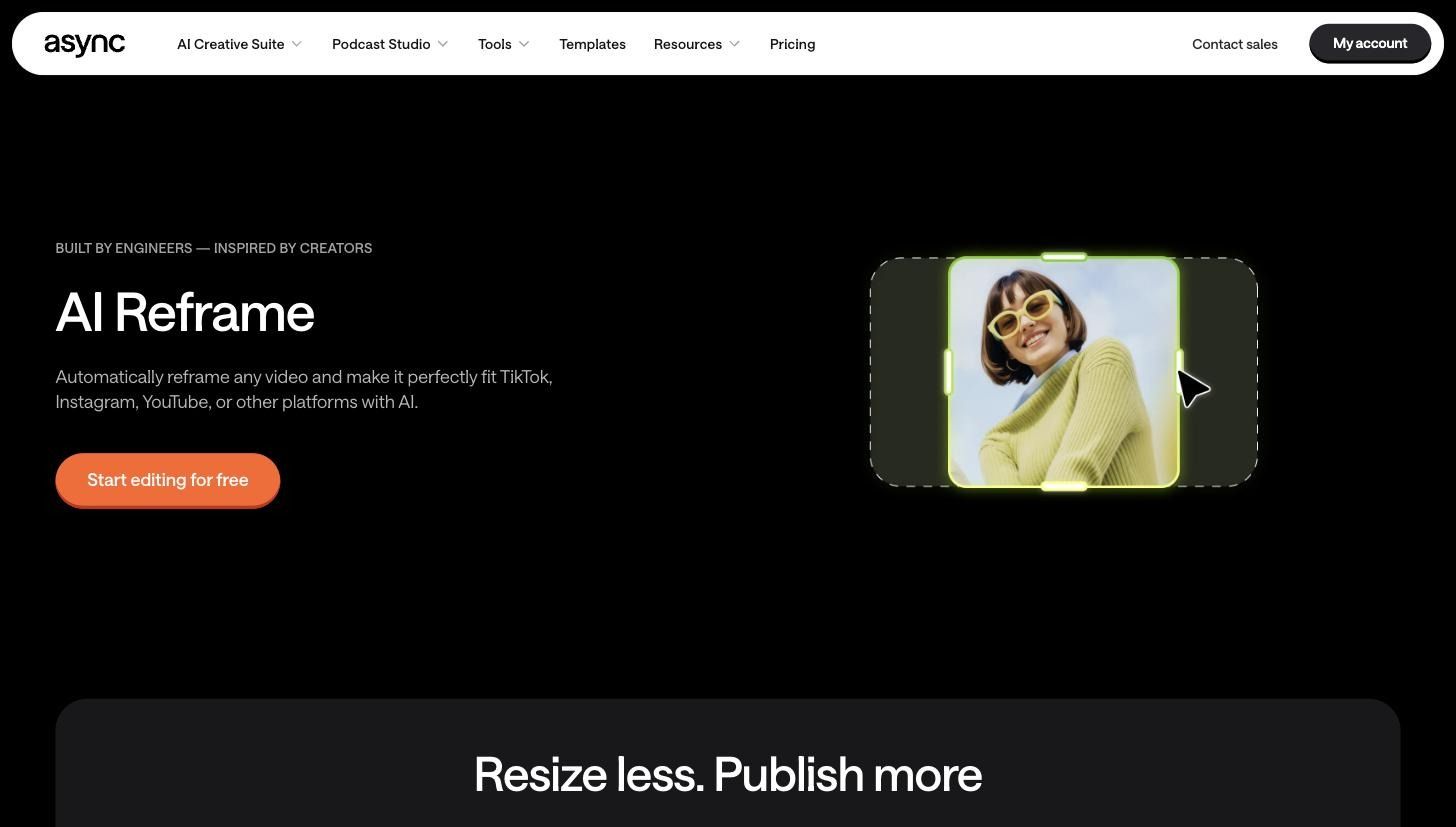
If you only shot horizontal footage, AI Reframe converts it to vertical 9:16 and keeps the subject in frame, so you don't have to crop every clip by hand.
Which real estate videos work best on each platform?
Short, vertical formats work best on Instagram Reels and TikTok, while longer tours and neighborhood guides do better on YouTube, where people actively search. Facebook suits market updates and client stories aimed at a local audience.
Tips for making real estate videos faster
Agents who post consistently aren't more creative. They have systems:
- Batch your filming. Record three market updates or five explainers in one sitting.
- Reuse one structure. Hook, three points, and call to action work for most formats.
- Caption everything. Much social video is watched on mute, so on-screen text carries your message.
- Keep one shot list on your phone for every listing.
- Edit with prompts. Describe the cut you want and adjust from there.
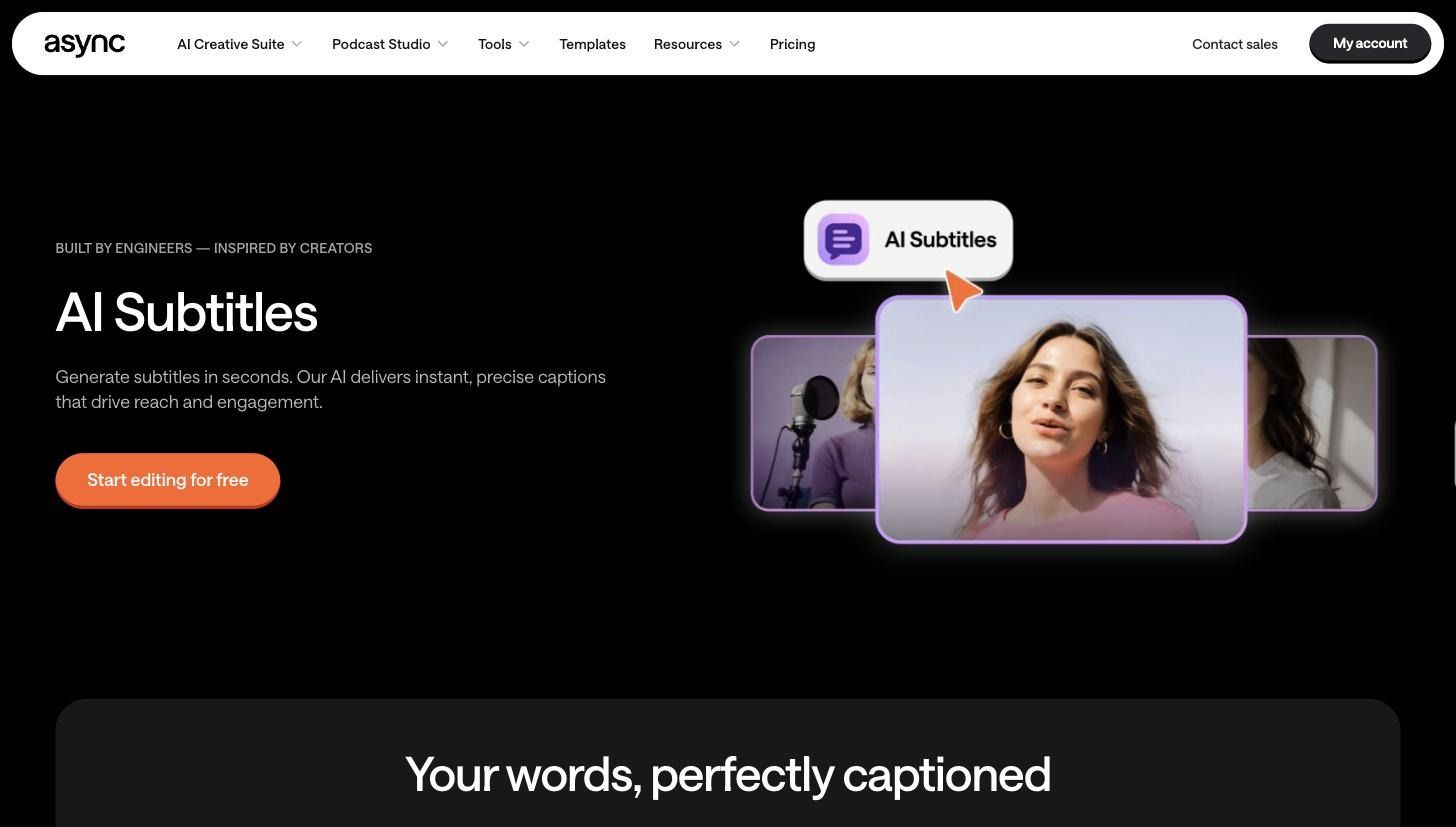
Async's AI Subtitles generates captions automatically, and you can adjust font, color, size, and position to match your brand. For the full editing workflow, see our guide to real estate video editing.
Lights, camera, listing
You don't need 15 new ideas every week. You need a few formats that you can repeat. Pick three from this list, like a listing reveal, a market update, and a client story, and make them your regular series. Film every property with repurposing in mind, and one shoot can fill your feed for days.
When editing starts to feel like the bottleneck, let Async handle the heavy lifting. Upload your footage, tell it what you need, and get ready-to-post walkthroughs, Reels, and captioned clips without the late-night timeline sessions. Start creating for free.
FAQs
What are the best real estate video ideas for beginners?
Start with a property walkthrough, a new listing reveal, and a buyer or seller explainer. They need minimal equipment, follow a clear structure, and cover both listing and educational content. Once you're comfortable on camera, add market updates and client stories.
How long should real estate Reels be?
Most real estate Reels perform well between 15 and 60 seconds. Listing reveals and POV tours work best on the shorter end, while explainers can run closer to a minute. Put your strongest shot or hook in the first two seconds.
How often should real estate agents post videos?
Two to four short videos a week are a realistic target for most solo agents. Consistency matters more than volume, so pick a schedule you can sustain. Batching and repurposing each listing shoot makes that much easier.
Do I need professional equipment to make real estate videos?
No. A recent smartphone, a small gimbal, and a clip-on microphone cover most social formats. A professional videographer or drone footage can be worth it for high-end listings, but everyday Reels and explainers can be shot on a phone.
What should I avoid in real estate marketing videos?
Avoid unverified claims about schools, commutes, or future development, and describe neighborhoods by amenities rather than residents to comply with fair housing rules. Get written consent before featuring clients, and never use AI visuals to represent a real property.
How do I come up with new real estate content ideas every week?
Keep a running list of client questions, comments on your posts, and local news, since each one can become a video. Recurring series like a monthly market update or a weekly "What $X buys" episode also remove the guesswork because the format stays the same while the details change.