Since brands are reaching new audiences, building trust, and generating content that feels more authentic than traditional advertising, creator partnerships have become quite the staple of eCommerce marketing. In fact, the creator economy reached $252.3 billion in 2025, according to Grand View Research.
Yet many brands struggle to see lasting results because they treat creator collaborations as one-off campaigns.
Getting more value from creator partnerships requires a different approach. From choosing creators whose audiences align with your products to repurposing creator content across channels, small changes can significantly improve your returns.
You can also better your results by tracking revenue-focused metrics, building long-term relationships, and exploring creator-led merchandise opportunities.
In this article, we’ll look at ways eCommerce brands can get more mileage from their creator partnerships and turn them into a consistent growth channel.
How eCommerce Brands Can Get More Value From Creator Partnerships
Use these tips to build creator partnerships that lead to better business results:
Choose creators based on audience fit, not follower count
A content creator with a large following can expand your reach. Sadly, reach alone doesn’t guarantee engagement or sales.
So, focus on whether a creator’s audience aligns with your target customers. Look at demographics such as age, location, and interests. Pay attention to the types of products their followers engage with and whether their content attracts people who are likely to buy from your brand.
You can also use external data sources to better understand audience preferences.
This is one reason micro and niche creators often outperform larger influencers. Their audiences tend to be more focused, engaged, and trusting of recommendations.
For example, a skincare brand will likely see better results from a small creator whose audience actively discusses skincare routines than from a big lifestyle influencer with a much larger but less targeted following.
Build long-term relationships instead of one-off campaigns
A single sponsored post can generate awareness, but long-term creator partnerships are ideal for building trust and keeping your brand top of mind. When audiences see their favourite creators using or talking about your products continually, the endorsement feels more genuine.
So, instead of approaching creators on a campaign-by-campaign basis, consider ambassador programs or recurring collaborations. This creates continuity across product launches, seasonal campaigns, and other marketing initiatives while giving creators a deeper understanding of your brand.
As your creator program grows, it’s also worth establishing clear workflows for communication, approvals, campaign planning, and employee scheduling with tools like Homebase so collaborations stay organized and consistent.
Some of the strongest creator-brand relationships can go beyond merchandise. For example, creator Ludwig Ahgren has partnered with Red Bull across multiple pieces of content and events, giving the brand repeated visibility with his audience.
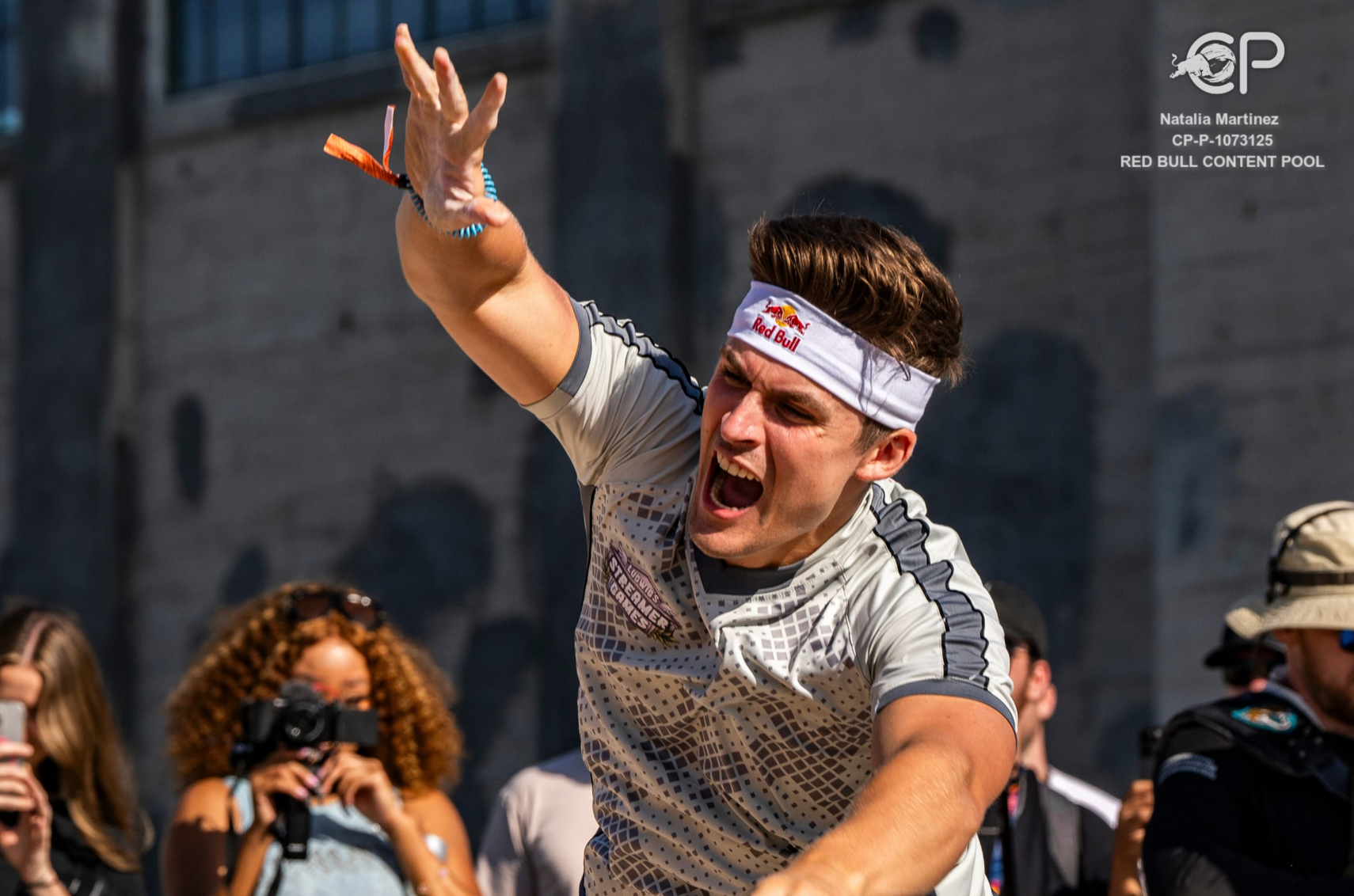
Instead of relying on a single promotion, this type of ongoing collaboration helps brands stay relevant within creator communities and build stronger audience familiarity.
Collaborate with creators on limited-edition merchandise
Creator partnerships don’t have to end with sponsored content. If you’re looking to deepen audience engagement, creator-led merchandise can be a great next step. If your followers feel particularly connected to a creator, they’re often more interested in products that reflect that creator’s personality, interests, or community.
The key is to involve creators in the product development process. They interact with their audiences daily and can provide valuable insights into the products, designs, or themes their followers are most likely to support. This can help brands avoid guesswork and create merchandise with a stronger chance of success.
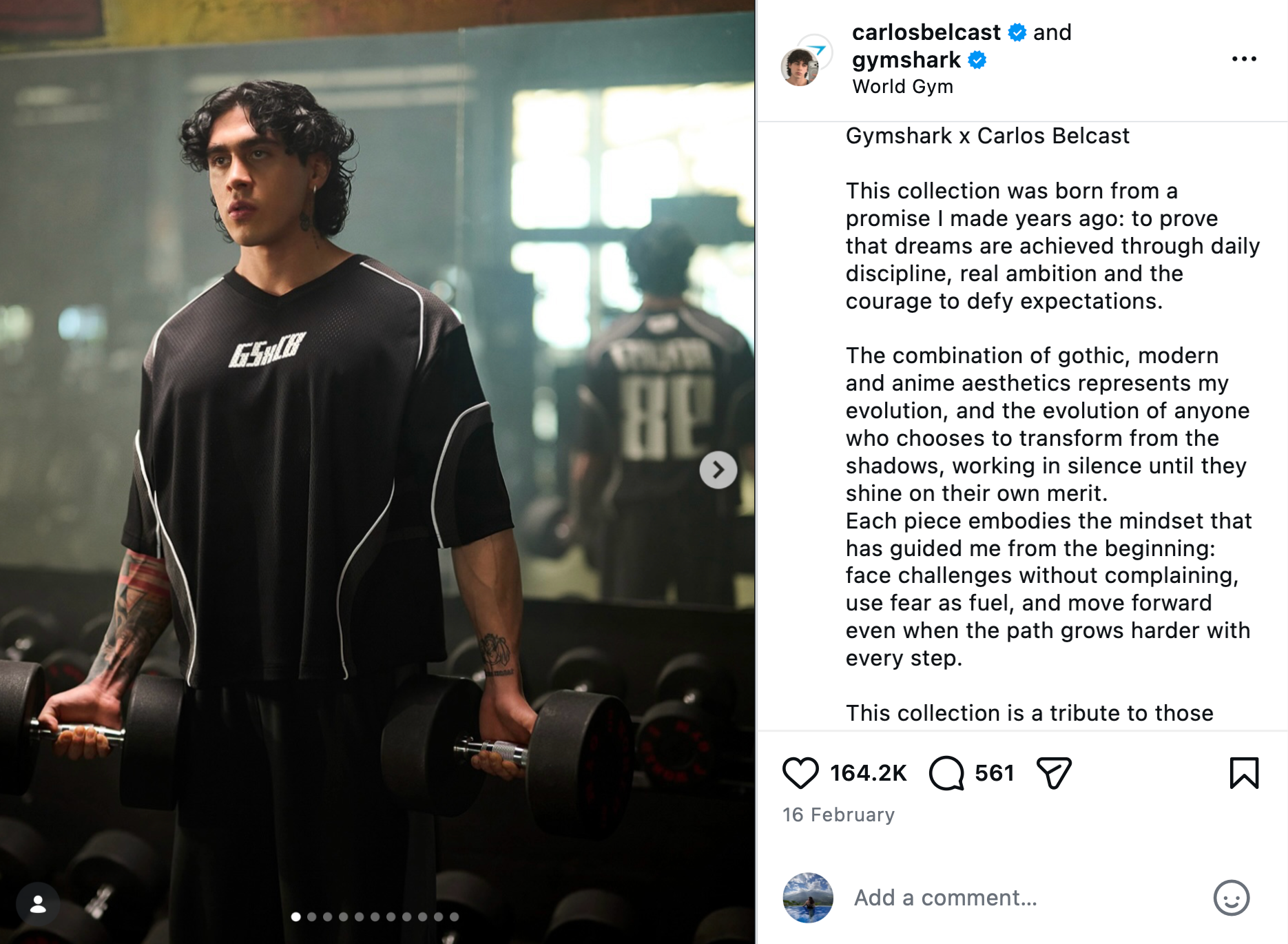
Gymshark has frequently collaborated with fitness creators and athletes on product launches and limited-edition collections. These partnerships give creators a stake in the product story while giving Gymshark access to highly engaged communities that are already interested in fitness apparel.
For example, they recently collaborated with Carlos Belcast, a Mexican bodybuilder, to launch a line of wearables, including a t-shirt, hoodie, and a jacket.
If you’re a scaling business, you don’t have to invest heavily upfront. Many brands use Etsy print-on-demand services like Printful & Printify to test limited-edition merchandise before committing to larger production runs. It reduces inventory risk while letting you gauge demand.
Print-on-demand also makes it easier to experiment with different product ideas without carrying inventory. Brands can offer creator-designed t-shirts, hoodies, mugs, tote bags, or other merchandise only after a customer places an order, so there is no need to purchase stock in advance.
This gives businesses the flexibility to test multiple designs, gather customer feedback, and identify the products that resonate most before investing in larger production runs. If one collection performs well, it can be expanded into a permanent product line or followed by future creator collaborations.
Once a launch is live, track more than just sales. Metrics such as engagement, user-generated content, repeat purchases, and community participation can provide a clearer picture of how the collaboration resonates with the audience.
Even a small merchandise drop can strengthen brand loyalty when it feels authentic to the creator and their followers.
Give creators creative freedom within clear guidelines
You can kill a creator’s content almost immediately by scripting every word and making it feel like an ad. Audiences follow creators because of their personality and storytelling style, so overly prescriptive briefs can make sponsored content feel really forced.
That’s why you must give creators a clear objective and let them decide how to communicate it. Provide guidelines such as-
- Key product messages to cover
- Brand values and tone of voice
- Non-negotiable claims or compliance requirements
- Campaign goals and preferred call to action
- Visual assets or branding elements to include
As your creator program expands, incorporating a centralized resource for these materials can make onboarding easier. Many brands use a Learning Management System or creator portal to share campaign briefs, brand guidelines, FAQs, and training resources, helping creators stay aligned without restricting their creativity.
Glossier frequently partners with creators who incorporate products into their existing skincare or makeup routines instead of following a fixed script.
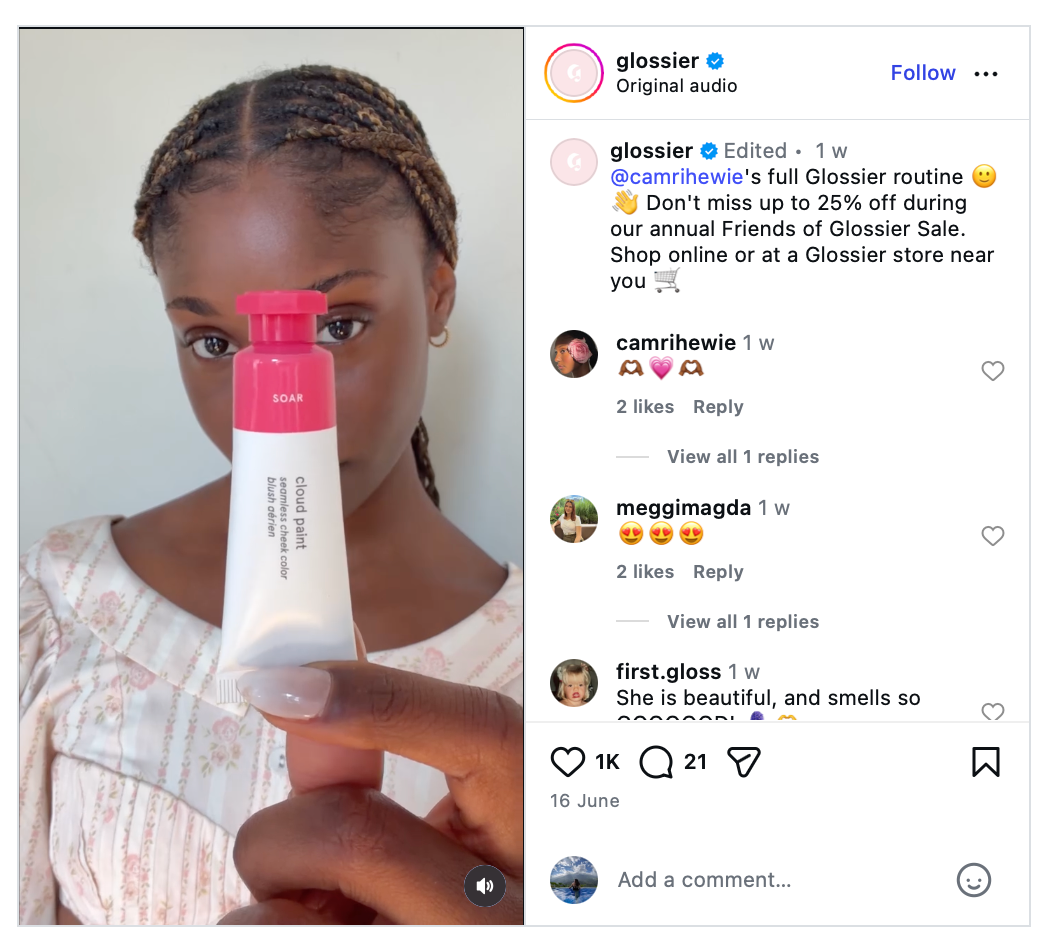
Such content feels like a genuine recommendation because creators present the products in a way that matches their usual style and resonates with their audience.
Repurpose creator content across marketing channels
Partnered content can continue generating value long after it’s published on social media. Instead of treating each post as a one-time asset, look for opportunities to reuse it across your marketing channels. This helps you get more use from every partnership while maintaining a consistent brand message.
High-performing creator content can be adapted for paid social ads, featured on product pages to provide social proof, included in email campaigns, or repurposed for your website and landing pages. Since this content already feels authentic, it often resonates better with potential customers than polished studio creatives.
A good example is fashion retailer Princess Polly, which regularly repurposes creator and influencer content across its website, Instagram, TikTok, and paid campaigns.
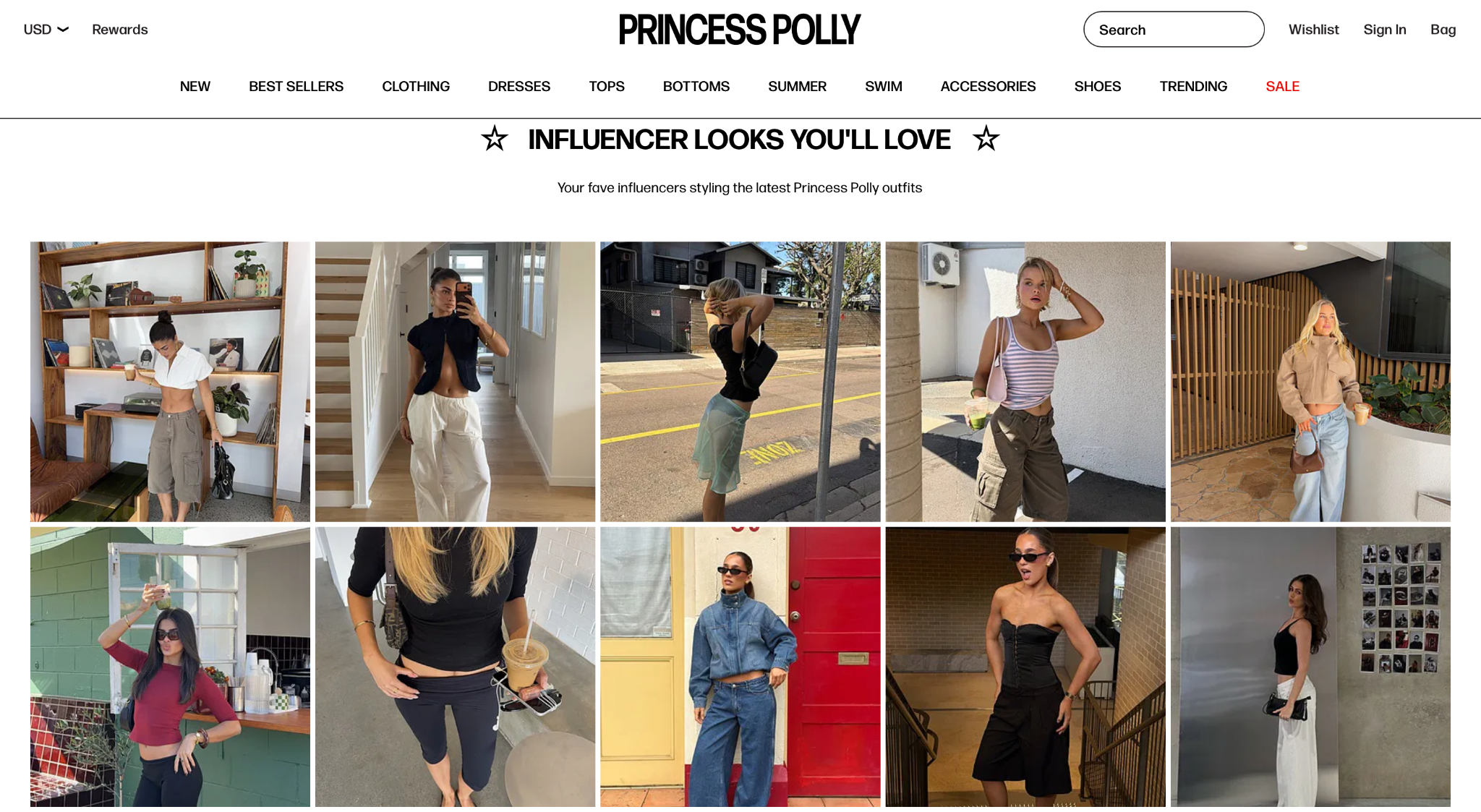
Similarly, you can feature creators wearing and styling products in different contexts. That way, you can extend the lifespan of each collaboration while giving shoppers more confidence in their purchase decisions.
Track metrics that connect to revenue
High engagement won’t always translate into business growth.
While likes, comments, and shares can indicate audience interest, they don’t tell you whether a creator partnership is driving intended results. To understand its true impact, focus on metrics tied to revenue and customer acquisition.
Look beyond vanity metrics and track-
- Click-through rate (CTR) from creator content
- Conversions and revenue generated
- Customer acquisition cost (CAC)
- Return on ad spend (ROAS) for boosted creator content
- Performance of discount codes and affiliate links
- Attribution data across different marketing channels
For example, if two creators generate similar engagement but one drives significantly more purchases through an affiliate link or discount code, they’re likely the stronger long-term partner.
Final Thoughts
Remember, creator partnerships deliver the most value when they’re treated as an ongoing part of your marketing strategy rather than isolated campaigns.
Choose creators whose audiences genuinely align with your brand so there’s room to create authentic content, repurpose their work, explore collaborative merchandise, and track business outcomes.
As your creator program grows, the right tools can make collaboration much easier. Async helps brands and creators produce, review, and refine video content faster with AI-powered editing and content creation features, which makes it simpler to keep campaigns moving without slowing down the creative process. Explore Async and see how it can help your team create and ship creator content faster.